

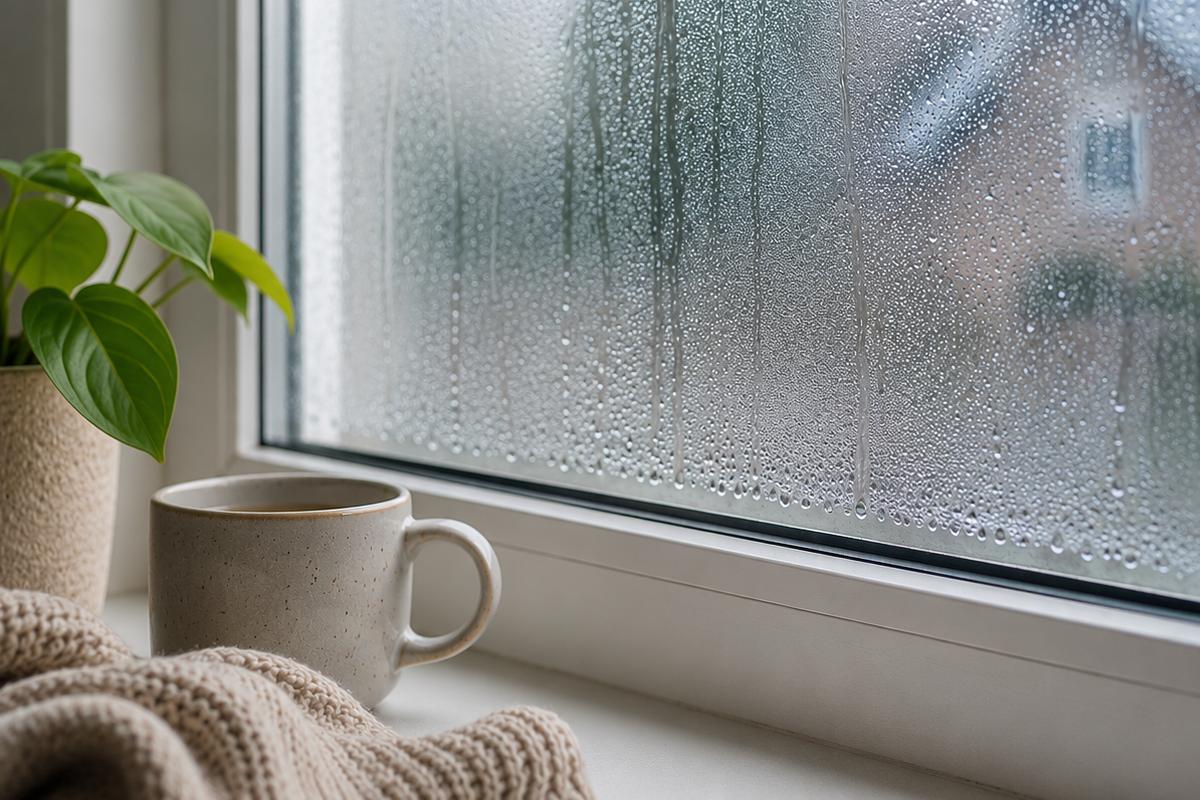
As temperatures drop across Ireland during autumn and winter, many homeowners begin noticing a familiar problem: condensation on windows, damp patches on walls and, in some cases, black mould appearing in bedrooms, bathrooms and living spaces.
While condensation might seem like a minor inconvenience, persistent moisture can lead to damaged paintwork, unpleasant odours and mould growth. It can also indicate that your home isn’t retaining heat or ventilating as effectively as it should.
The good news? There are practical ways to tackle condensation, and improvements to your home’s insulation and ventilation can help address some of the underlying causes.
In this guide, House2Home explains why condensation occurs, how to reduce mould and when a home energy upgrade might be worth considering.
Why Is Condensation Worse in Irish Homes During Winter?
Condensation occurs when warm, moisture-filled air comes into contact with a surface cold enough for water vapour to turn into liquid droplets.
During the colder months, windows, external walls and poorly insulated areas of your home can become significantly colder than the air indoors.
Everyday activities also introduce moisture into the home, including:
- Cooking and boiling water
- Showering and bathing
- Drying clothes indoors
- Breathing and sleeping
- Using tumble dryers without appropriate ventilation
When this moisture cannot escape effectively, it can collect on cold surfaces.
This explains why condensation is particularly noticeable on bedroom windows first thing in the morning or around window frames during winter.
However, not all dampness is caused by condensation. Leaking pipes, roof defects, penetrating rainwater and rising damp can produce similar symptoms and require different solutions.
What Causes Mould on Walls and Around Windows?
Mould thrives in environments where moisture is consistently present.
In Irish homes, common areas affected include bedroom corners, bathroom ceilings, window reveals and walls behind furniture.
There are several potential causes.
1. Poor Wall Insulation
Poorly insulated external walls can develop cold internal surfaces, creating ideal conditions for condensation.
When moisture repeatedly settles on these surfaces, mould can develop.
2. Inadequate Ventilation
Without sufficient ventilation, moisture produced through daily activities can remain trapped indoors.
Bathrooms, kitchens and bedrooms can be particularly vulnerable.
3. Cold Bridges
A thermal bridge occurs where heat escapes more readily through part of a building, such as around window openings, wall junctions or structural elements.
These areas can become colder than surrounding surfaces, increasing the risk of localised condensation.
4. Furniture Positioned Against Cold Walls
Large wardrobes, beds and cabinets positioned directly against external walls can restrict airflow.
This can create cold, poorly ventilated areas where moisture accumulates unnoticed.
Can Poor Insulation Cause Condensation?
Yes. Inadequate insulation can contribute to condensation by allowing internal wall and ceiling surfaces to become colder.
When warm indoor air reaches these cold surfaces, moisture is more likely to condense.
Improving insulation can help maintain warmer internal surfaces and reduce the likelihood of surface condensation.
However, insulation alone is not a guaranteed solution to dampness or mould.
If a home has insufficient ventilation, an unresolved leak or another source of moisture, those issues must also be addressed.
A properly designed energy upgrade considers insulation, airtightness and ventilation together.
How to Stop Condensation in Your Home
There are several practical steps homeowners can take to reduce condensation during winter.
Improve Ventilation
Use bathroom extractor fans when showering and kitchen extraction when cooking.
Ensure existing ventilation openings remain clear and functional. Opening windows briefly can also help release excess moisture when appropriate.
Never permanently block ventilation openings, particularly those required for fuel-burning appliances.
Reduce Moisture From Everyday Activities
Keep lids on pots when cooking, avoid drying large amounts of washing indoors without suitable ventilation and ensure tumble dryers are properly vented or maintained according to their design.
Maintain Consistent Heating
Keeping rooms adequately heated can help reduce the number of very cold surfaces where condensation forms.
However, increasing the heating without addressing excess humidity or inadequate ventilation may not resolve the problem.
Move Furniture Away From External Walls
Allowing air to circulate behind wardrobes and other large furniture can help reduce moisture accumulation.
Investigate Persistent Dampness
If you notice recurring wet patches, peeling paint or mould that keeps returning, identify the moisture source rather than repeatedly painting over the affected area.
Leaks and building defects should be repaired before insulation work is undertaken.
Does External Wall Insulation Help Prevent Mould?
External wall insulation can be particularly beneficial in homes where cold external walls contribute to surface condensation.
The system involves fitting insulation to the outside of the property, creating a continuous insulating layer around suitable parts of the building.
Benefits can include:
- Warmer internal wall surfaces
- Reduced heat loss
- Improved comfort during winter
- Lower space-heating demand
- Reduced risk of condensation on treated surfaces
External wall insulation can also help address some thermal bridges when correctly designed and installed.
For homeowners considering a whole-home energy upgrade, it may form an important part of a wider retrofit package.
However, the suitability of external wall insulation depends on the property’s construction, condition and moisture characteristics.
Explore House2Home’s insulation solutions: https://house2home.ie/single-measures/insulation/
Internal Wall Insulation and Cavity Wall Insulation
Not every property requires external wall insulation.
Depending on the age and construction of your home, other solutions may be appropriate.
Internal Wall Insulation
Also known as dry lining, internal wall insulation involves installing insulation on the inside of external walls.
It can improve thermal comfort and reduce heat loss, but careful design is essential to avoid moisture becoming trapped within the wall construction.
Cavity Wall Insulation
Many Irish homes have cavity walls consisting of two layers of masonry separated by a gap.
Where the cavity is suitable, insulation can be installed to improve thermal performance.
Before proceeding, the wall construction, exposure to driving rain and existing moisture conditions should be assessed.
The best insulation solution is not necessarily the same for every home.
Why Ventilation Matters in an Energy-Efficient Home
One important consideration when upgrading insulation is ventilation.
As homes become better insulated and more airtight, uncontrolled draughts are reduced. While this helps retain heat, it also makes properly designed ventilation increasingly important.
According to the Sustainable Energy Authority of Ireland (SEAI), good ventilation helps remove excess moisture, maintain indoor air quality and reduce the likelihood of condensation and mould.
Depending on the property, suitable systems may include:
Mechanical Extract Ventilation
Extractor fans remove moisture from bathrooms, kitchens and other wet rooms.
Demand-Controlled Ventilation
These systems adjust ventilation rates according to conditions and demand.
Mechanical Ventilation with Heat Recovery (MVHR)
MVHR systems extract stale indoor air while transferring some of its heat to incoming fresh air.
These systems can be particularly useful in appropriately designed, airtight homes.
The most suitable option depends on the building and the overall retrofit specification.
Can Attic Insulation Help With Condensation?
Attic insulation is another important element of home energy efficiency.
An inadequately insulated ceiling can allow heat to escape into the roof space, increasing heating demand and contributing to uncomfortable conditions indoors.
Installing suitable attic insulation can improve comfort and help reduce heat loss.
However, roof-space ventilation must be maintained.
Blocking eaves ventilation or allowing excessive moisture into the attic can contribute to condensation on roof timbers and other structural components.
For this reason, attic insulation should always be installed with appropriate attention to ventilation and moisture control.
Are SEAI Grants Available for Insulation and Ventilation?
Yes. Eligible Irish homeowners may be able to access SEAI grants for qualifying home energy improvements.
Depending on the property and the grant route, supported works can include wall insulation, attic insulation, heating upgrades and other measures delivered through the One Stop Shop scheme.
Ventilation improvements may also form part of a qualifying whole-home retrofit package where required.
The grant amounts available depend on the type of property, the measures being undertaken and the relevant scheme requirements.
At House2Home, we help homeowners understand the available grant supports and coordinate eligible upgrades through our One Stop Shop service.
A Home Energy Assessment is the starting point for determining which improvements are suitable for your property.
When Should You Consider a Home Energy Assessment?
If condensation and cold surfaces are recurring problems in your home, a Home Energy Assessment can help identify opportunities to improve energy performance.
It is particularly worth considering if you experience:
- Cold external walls during winter
- Rooms that are difficult to heat
- Persistent draughts
- High heating bills
- Poor insulation
- A low Building Energy Rating (BER)
A Home Energy Assessment considers the property’s energy performance and helps identify appropriate upgrade measures.
Where persistent dampness or mould is present, a separate investigation of the moisture source may also be necessary.
How Much Does a Home Energy Assessment Cost?
At House2Home, a Home Energy Assessment costs €700.
An available SEAI grant of €350 reduces the net cost to €350 for eligible homeowners.
If you proceed with House2Home for your energy upgrade works, the remaining €350 assessment cost is deducted from the overall project cost.
The assessment helps establish a suitable upgrade package, potential grant supports and the next steps towards improving your home’s energy efficiency.
Frequently Asked Questions
Why do my bedroom windows have condensation every morning?
Overnight, moisture from breathing can build up in bedrooms. When humid air meets cold window glass, condensation can form. Improving ventilation and reducing cold surfaces can help.
Will triple-glazed windows stop condensation?
Energy-efficient glazing can reduce condensation on the room-facing glass by keeping it warmer. However, condensation can still occur when indoor humidity is high or ventilation is inadequate.
Does external wall insulation stop black mould?
External wall insulation can reduce the risk of surface condensation by keeping internal walls warmer. It will not resolve mould caused by leaks, rising damp or other untreated moisture problems.
Can a heat pump help with condensation?
A correctly designed heat pump system can provide consistent heating, helping maintain comfortable indoor temperatures. However, a heat pump does not replace the need for adequate ventilation or moisture control.
Is condensation a sign that my house needs a retrofit?
Not necessarily. Occasional condensation is common, but persistent condensation combined with cold walls, high heating bills and poor insulation may indicate that energy upgrades would be beneficial.
Make Your Home Warmer, Healthier and More Energy Efficient
Condensation and mould can make your home uncomfortable, particularly during Ireland’s colder months.
While everyday changes can help control moisture, persistent problems may highlight the need to investigate insulation, ventilation or other building defects.
A well-planned home energy upgrade can improve thermal comfort, reduce heat loss and help create a more energy-efficient living environment.
At House2Home, we specialise in whole-home energy upgrades, helping homeowners improve their properties through our SEAI One Stop Shop service.
Ready to find out what an energy upgrade could cost?
👉 Calculate Your Home Energy Upgrade Cost
If you’d rather speak to the House2Home team about your property and the retrofit process, you can also book a free 30-minute call: